Twenty-Nine Minutes a Day: How a Dad of Two in Ohio Still Keeps His Ulala Squad Top-Tier
Let's get one thing out of the way: Ulala is called an idle game, but anyone who's played it for more than a week knows the guilt is real. You log in, see someone three tribes down clearing stages you haven't touched, and suddenly your 'idle adventure' feels like a second job.
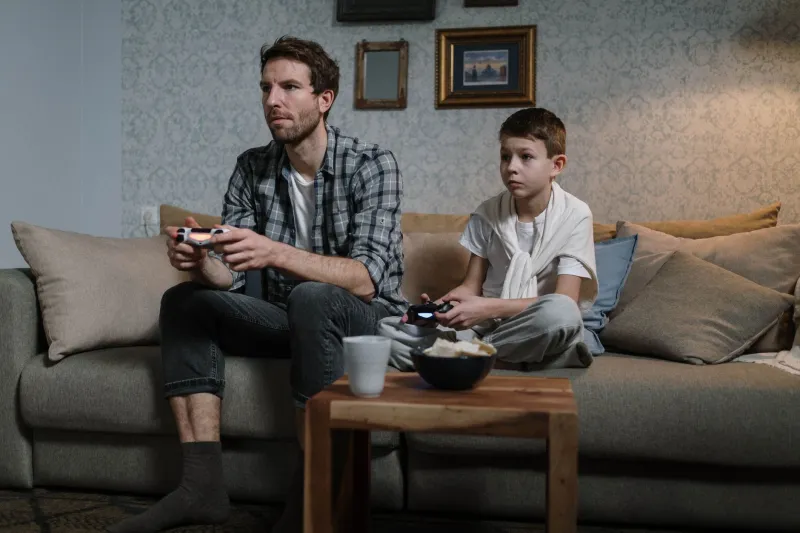
That's exactly how Marcus felt — until he stopped trying to play like a streamer and started playing like a guy with a 45-minute commute on I-70 and two kids who think bedtime is a negotiation, not a rule.
The 30-Minute Framework
Marcus's system boils down to three short touchpoints a day, none longer than twelve minutes:
Morning (5 minutes, coffee in hand): Claim overnight rewards, send pets out on expeditions, and check the tribe board. That's it. He does this before his first Zoom call, because if it doesn't happen before 9 AM, it doesn't happen.
Lunch break (10 minutes): This is the power window. Boss attempts, arena refreshes, and any event tasks with timers. He keeps it to his actual lunch hour — no sneaking in pulls during meetings, no matter how tempting.
Evening (10-15 minutes, after the kids are down): Tribe activities, co-op fights with his usual crew, and a quick look at what tomorrow's events require. This is also when he chats, which matters more than you'd think (more on that later).
Total damage: under 30 minutes. Real progression: consistent and honestly kind of embarrassing to the guildmates who play four hours a day but never plan anything.
Why Event Timing Is Everything for US Players
Here's where most busy American players shoot themselves in the foot. A lot of Ulala's timed content is built around server peaks, and if you're on a US server, those peaks don't always line up with when you're free.
Marcus's rule: know your server's rhythm, not the game's clock. Server-wide events and tribe wars tend to cluster in the evening hours when the most players are online. If your tribe schedules things at 9 PM Eastern and you're on the West Coast unwinding after a late shift, you're either showing up exhausted or not at all.
His advice, learned the hard way: pick your tribe based on your schedule, not the other way around. A tribe that runs its main activities during your free window is worth more than a 'stronger' tribe whose schedule you'll never match. Progression in an idle game is a marathon, and showing up beats being elite-but-absent every single time.
The Tasks That Actually Matter (and the Ones That Don't)
Not all dailies are created equal. Marcus sorts them into three buckets:
Non-negotiables: Anything that compounds over time — pet expeditions, tribe contributions, and any event currency with a hard deadline. Miss these and you're leaving permanent value on the table.
Batch-ables: Arena attempts, stage pushes, resource spending. These can slide a day without hurting much, so save them for when you actually have time instead of rushing them at midnight.
Guilt-traps: Endless grinding, optimizing every last percentage point, chasing leaderboard positions you were never going to hold. Marcus calls these 'the sunk-cost snacks' — they feel productive, but they're just eating your evening.
The Social Cheat Code
Here's the part nobody tells you: the single biggest multiplier for a time-poor player isn't a spending strategy or a perfect pet build. It's having tribe-mates who'll cover for you.
Marcus missed his daughter's soccer tournament weekend last fall — zero logins for two full days. Because he'd spent months being the reliable guy who showed up to co-op and dropped a dumb meme in tribe chat every few days, his tribe carried his event contributions without a word. He came back Sunday night, claimed his rewards, and lost almost nothing.
Five friendly minutes of chat a day bought him two days of grace. Try buying that with shells.
The Takeaway
If you're a busy player feeling bad about your pace, internalize this: Ulala rewards consistency, not intensity. Twenty-nine minutes a day, aimed at the right tasks, at the right times, with the right people, beats a four-hour binge on Sunday that you spend the rest of the week recovering from.
The game is idle for a reason. Let it be idle. Go watch your kid's game. Your pets will keep the lights on.